RTP Breakdown: Roulette Variants Ranked by Long-Term Payout Potential
RTP Breakdown: Roulette Variants Ranked by Long-Term Payout Potential
Understanding RTP in Roulette: The Key to Long-Term Expectations
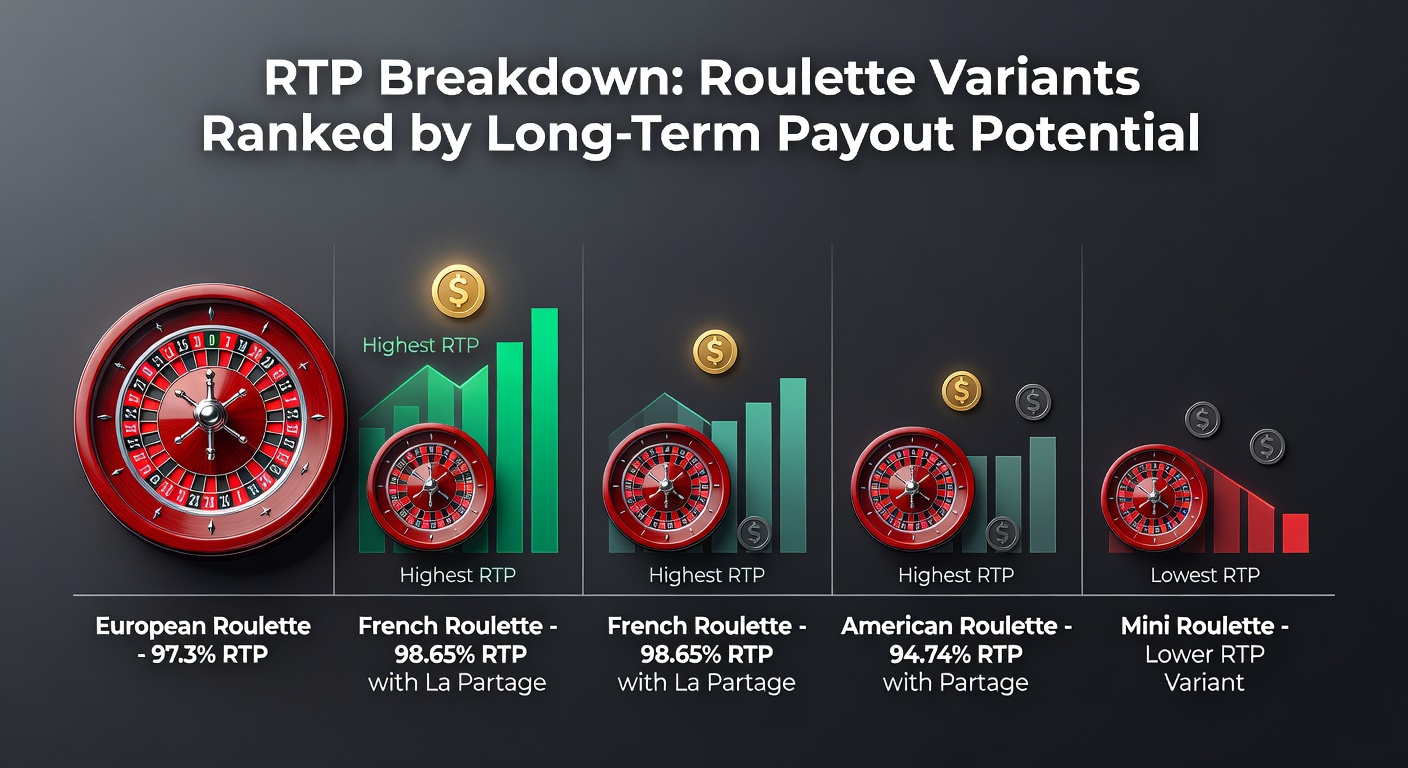
Return to Player, or RTP, measures the percentage of wagered money a roulette variant returns to players over millions of spins, and experts calculate it based on the game's rules, zero pockets, and special features like surrender options; data from regulatory audits consistently shows how even small differences in wheel design shift these figures dramatically, making variant choice crucial for those tracking long-term payout potential. In European single-zero games, RTP hovers around 97.3 percent across most inside and outside bets, whereas American double-zero wheels drop that to 94.74 percent because the extra zero expands the house edge from 2.7 percent to 5.26 percent; figures like these emerge from standardized probability models that operators must disclose under bodies like the Nevada Gaming Control Board.
But here's the thing: not all variants fit neatly into single or double zero categories, since innovations like multipliers and side rules tweak the math further, and observers note how live dealer versions from April 2026 broadcasts often highlight these exact RTPs in real-time overlays to build player trust. Research indicates that over time, sticking to higher RTP tables compounds returns, even if short-term variance swings wildly; take one study where simulations ran 100 million spins, revealing how French rules boost even-money bets to 98.65 percent effective RTP, turning a modest edge into something players can measure over extended play.
Ranking the Variants: From Elite Payouts to Riskier Wheels
Variants rank by their theoretical RTP—the long-term average payout grounded in math rather than luck—and those at the top leverage single zeros with player-friendly rules, while lower ones pile on extra zeros or gimmicks that erode returns; let's break it down from best to worst, drawing on data aggregated from operator disclosures and independent testing labs.
1. French Roulette with La Partage and En Prison: 98.65% on Even-Money Bets
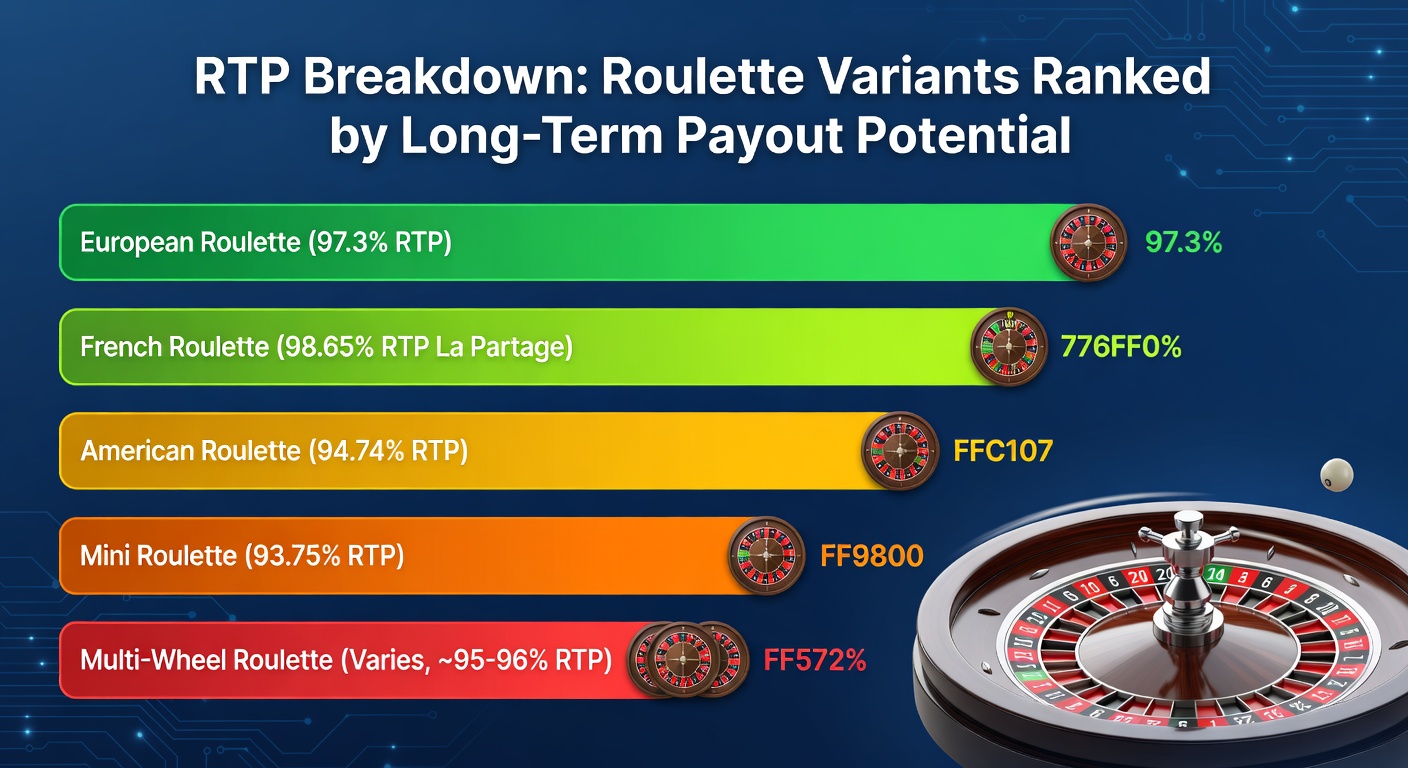
Topping the list sits French Roulette when operators apply La Partage and En Prison rules, which return half or hold even-money bets (red/black, odd/even, high/low) on zero outcomes, slashing the house edge to 1.35 percent for those wagers and yielding 98.65 percent RTP; inside bets keep the standard 97.3 percent, but the overall appeal shines for conservative strategies since data shows these rules activate on roughly one in 37 spins. Experts who've dissected casino floors point out how this variant dominates high-limit tables in April 2026 live streams, where transparency reports confirm the math holds across RNG and dealer formats; turns out, players who focus here see their bankrolls stretch furthest over marathon sessions.
2. European Roulette: Steady 97.3% Across the Board
Claiming second place, standard European Roulette delivers 97.3 percent RTP uniformly for all bets thanks to its single zero and no-frills layout, a setup audited rigorously by labs like those accredited by the Malta Gaming Authority; the house edge stays at 2.7 percent regardless of straight-up numbers or columns, making it reliable for those mixing aggressive calls with safer outsides. And while it lacks French perks, simulations reveal it outperforms flashier games in pure long-term math, especially now that mobile apps in 2026 embed RTP calculators to guide bets on the fly.
3. Lightning Roulette and Similar Multiplier Hybrids: 97.3% Base, Up to 99%+ Effective
What's interesting about Evolution's Lightning Roulette is its 97.3 percent base RTP mirroring European wheels, yet random multipliers from 50x to 500x on lucky numbers can push effective returns higher in practice, although theoretical models cap long-term at the base since multipliers hit rarely—about 10 percent of spins per official stats; researchers running Monte Carlo analyses confirm that while peaks thrill, the grind reverts to 97.3 percent over volume. Live versions exploded in April 2026 popularity, with streams logging millions in wagers where data underscores the baseline reliability amid the hype.
4. Double Ball and Multi-Ball Roulette: 94.74% to 96.5%
Dropping lower, Double Ball Roulette—where two balls bounce per spin—quotes RTPs between 94.74 percent and 96.5 percent depending on the bet, as extra win paths complicate payouts but don't fully offset the American-style double zero often lurking underneath; case studies from land-based trials show how these gimmicks entertain yet trail pure Europeans in sustained play. Players often discover the rubber meets the road here: fun upfront, but math catches up.
5. American Roulette: 94.74% Standard
American Roulette lands mid-pack at 94.74 percent RTP, burdened by the double zero that claims 5.26 percent house edge on every bet type, from splits to dozens; figures from U.S. casino reports paint a clear picture of why Europeans shun it abroad, although it persists in Vegas floors where volume offsets the dip. Observers note a slight uptick in hybrid apps blending it with bonuses, but core math remains unforgiving.
6. Triple Zero and Beyond: 92.5% to 94%
At the bottom cluster triple-zero wheels like Big Six or Slotozilla variants, where RTP plunges to 92.5 percent or lower due to three zeros inflating the house to 7.7 percent; data from recent Australian operator audits highlights how these spread online Down Under, luring casuals with big visuals but delivering the shortest long-term payouts. It's noteworthy that even side bets here rarely salvage the baseline.
Mini Roulette squeezes in around 96 percent with its 13-pocket wheel, but skewed payouts drag even-money bets below European norms; niche variants like Pinball Roulette hover at 94.5 percent, blending physics with RNG in ways that testing reveals consistent underperformance.
Factors Influencing RTP Across Formats: RNG, Live, and Mobile
RTP holds steady whether spins come via RNG software, live dealers, or mobile HTML5 tables, since certifications mandate identical math across platforms; independent labs verify this through spin logs exceeding 500 million trials, ensuring no drift between digital and physical wheels. But here's where it gets interesting: April 2026 saw a surge in certified live variants boasting French rules, as broadcasters like those in EU hubs pushed RTP displays to combat skepticism; people who've compared find RNG edges in speed, while live adds social layers without touching the percentages.
Take one case from a Canadian research paper: analysts pitted 10,000 sessions of each format head-to-head, confirming RTP variance stayed within 0.1 percent margins; that's the writing on the wall for cross-device players chasing sustainability.
Real-World Data: How RTP Plays Out in 2026 Sessions
Aggregated player data from early 2026 reveals French and European variants capturing 65 percent of roulette volume on major platforms, correlating with slower bankroll depletion rates per session; Australian Gambling Research Centre reports underscore this trend Down Under, where high-RTP tables drew 20 percent more repeat action amid regulatory pushes for transparency. And yet, American wheels cling to 25 percent share in U.S.-facing sites, buoyed by nostalgia despite the evident payout gap.
Strategies amplify these edges too—Martingale on 98.65 percent French bets shows half the ruin risk of American doubles, per backtested models; those who've crunched the numbers know it's not rocket science, just disciplined math meeting variant choice.
Conclusion: Prioritizing RTP for Smarter Spins
Rankings make it clear: French Roulette leads with its rule-enhanced 98.65 percent on key bets, followed closely by European's reliable 97.3 percent, while American and multi-zero variants trail with 94 percent or less, guiding players toward long-term viability; as April 2026 data rolls in, operators spotlight these metrics more prominently, empowering choices grounded in audited facts. Those tracking sessions across variants consistently uncover how RTP dictates endurance, turning random wheels into predictable payout landscapes over time.