Regional Licensing Evolutions Redefine RNG Certification Standards for Mobile Wheel Games
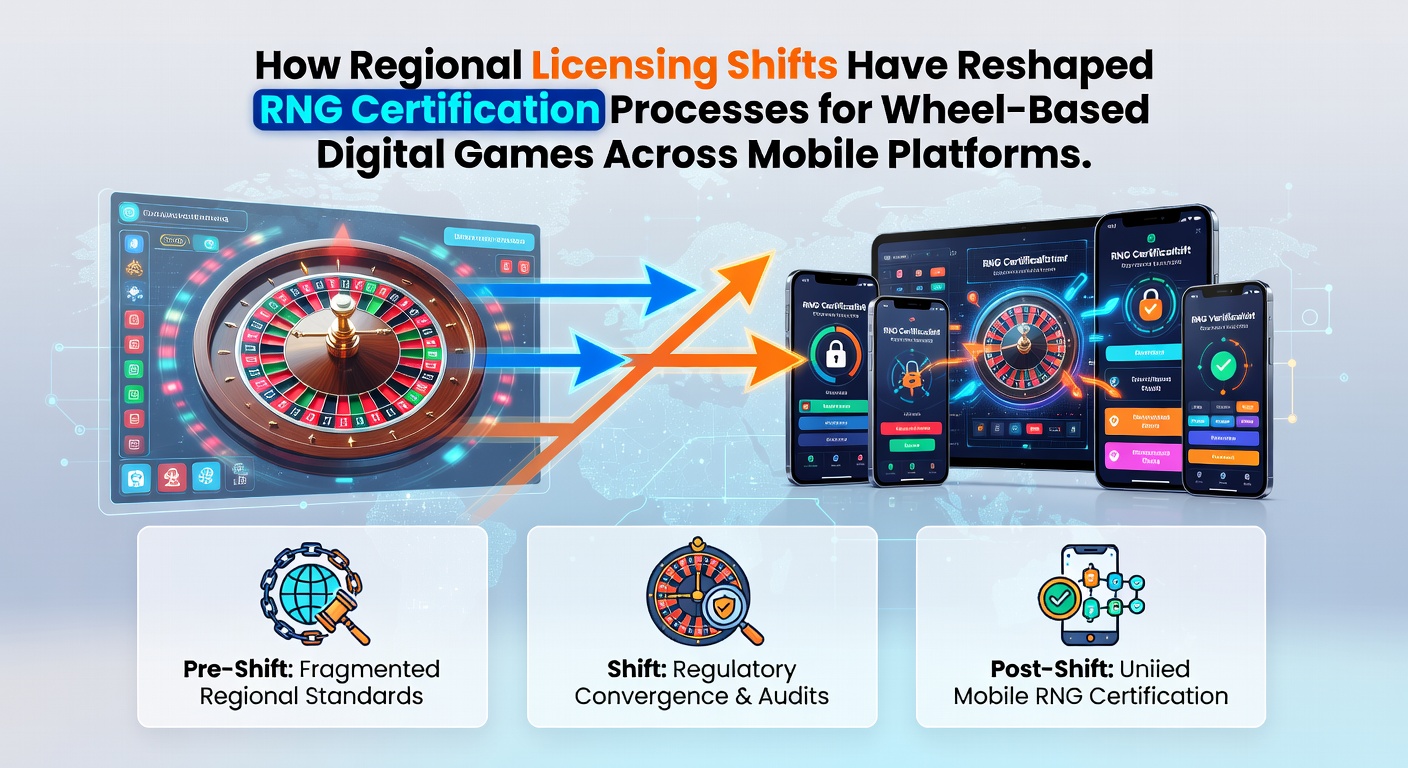
Regional licensing frameworks have undergone notable adjustments in recent years, and these modifications have directly influenced RNG certification requirements for wheel-based digital games on mobile platforms. Data from regulatory bodies across multiple jurisdictions shows that operators must now navigate varying approval pathways depending on the geographic markets they target, which affects how random number generators undergo testing and validation before deployment.
Key Shifts in Licensing Jurisdictions
European markets including those overseen by the Malta Gaming Authority have introduced updated compliance layers since 2024 that tie licensing renewals more closely to RNG audit frequency. Meanwhile jurisdictions in North America such as the Nevada Gaming Control Board have aligned their mobile platform standards with broader technical specifications that emphasize continuous monitoring rather than periodic checks alone. Observers note that these changes create a patchwork where a single game title might require distinct certification submissions for each region even when the underlying RNG algorithm remains identical.
Asia-Pacific regulators have followed suit with their own adaptations; Australia's state-level authorities have coordinated on shared testing protocols that incorporate mobile-specific variables like network latency and device orientation. This coordination has reduced some duplication in testing yet increased the documentation burden for developers who must demonstrate compliance across differing device ecosystems.
Impact on RNG Testing Procedures
Certification labs now incorporate region-specific criteria into their evaluation matrices for wheel games. A generator previously approved under one set of standards might face re-examination when licensing shifts introduce new statistical thresholds or hardware integration requirements. Researchers at institutions studying gaming technology have documented how mobile platform fragmentation amplifies these demands because RNG outputs must remain consistent across operating systems while satisfying local fairness benchmarks.
Take the case of wheel simulation titles released in early 2025; several underwent additional scrutiny after regulatory updates in multiple Canadian provinces required explicit verification of mobile sensor data integration. Those processes extended timelines and required supplementary code reviews that were not mandatory under prior frameworks. Figures from industry reports indicate that average certification durations have lengthened by 15 to 25 percent in markets experiencing licensing transitions.
Mobile Platform Specific Adaptations
Mobile deployment introduces variables absent from desktop environments, and licensing bodies have responded by mandating tests that account for touch input accuracy alongside traditional randomness metrics. Developers often find that regional authorities now request evidence of RNG stability during interrupted sessions or background app states, elements that became focal points following licensing revisions in 2025.
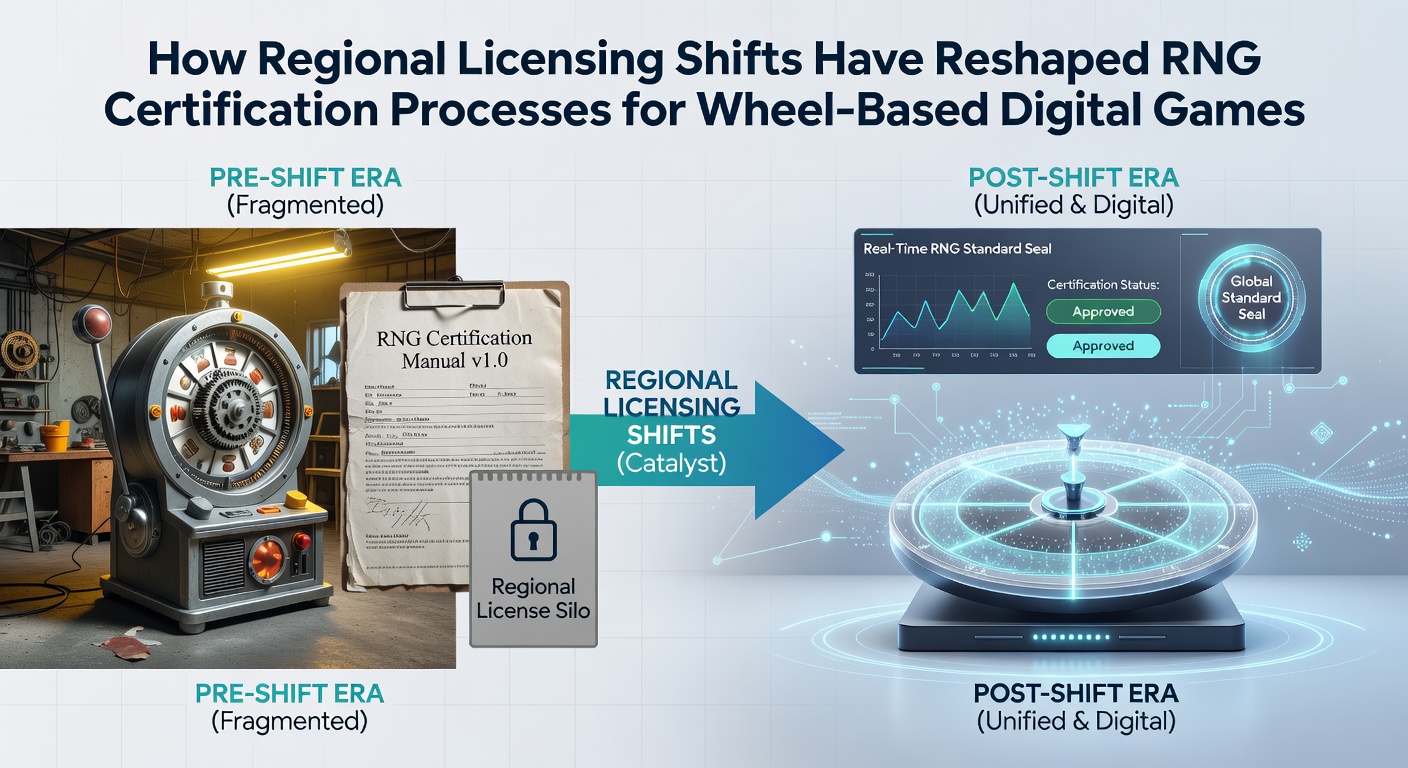
What's interesting is how these requirements intersect with cross-border licensing agreements. Operators holding multi-jurisdictional approvals must maintain parallel certification records that reference each region's unique stipulations, which has prompted many to adopt centralized compliance platforms. According to data compiled by the European Gaming and Betting Association, such platforms have seen increased adoption rates among mobile game providers as licensing landscapes continue to evolve.
Developments Anticipated in May 2026
Regulatory calendars indicate that several jurisdictions plan to implement revised RNG guidelines effective May 2026, particularly those addressing emerging mobile hardware features. These forthcoming adjustments are expected to emphasize real-time auditing capabilities and integration with regional player protection databases. Preparatory work by certification entities has already begun, with preliminary guidance documents circulated to developers outlining the expanded test suites.
Industry organizations have hosted informational sessions detailing how the May 2026 changes will require updated submission formats that include mobile usage analytics. Those sessions highlight that wheel-based titles, due to their reliance on sequential random outcomes, face heightened examination compared with other game categories.
Conclusion
Regional licensing shifts continue to drive refinements in RNG certification for mobile wheel games, resulting in more tailored yet complex approval workflows. Evidence from regulatory filings and industry analyses shows that developers and operators adapt by aligning their processes with multiple overlapping standards. As May 2026 approaches, further alignment between jurisdictions may emerge, though current patterns suggest persistent variation will remain the norm across platforms and markets.