Inside the Labs: Examining Audit Processes That Validate Spin Integrity Across Digital and Live Wheel Platforms
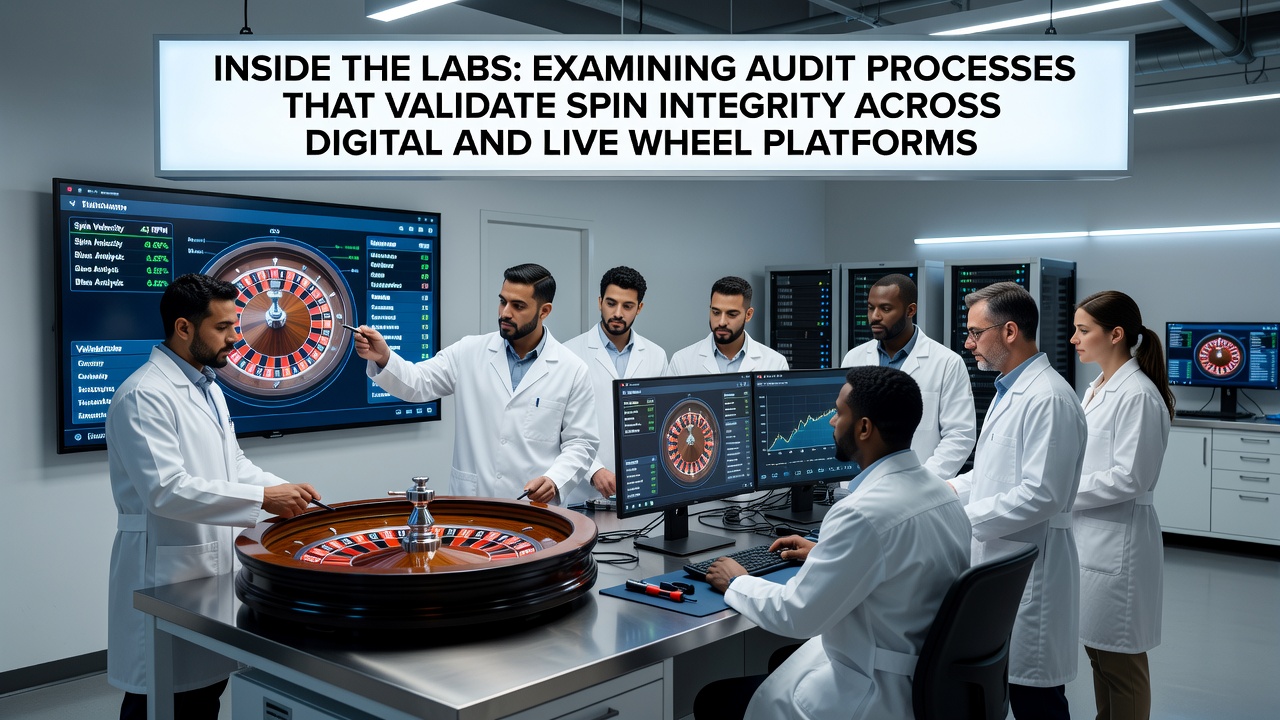
Spin integrity audits form the backbone of fairness verification for both digital RNG platforms and physical live wheel systems, and testing facilities apply rigorous protocols to confirm that outcomes remain unpredictable and unbiased across every cycle. Laboratories conduct these evaluations using standardized statistical models alongside physical inspections, and the processes adapt to technological shifts while maintaining consistent benchmarks for reliability.
Core Testing Frameworks Applied to Digital RNG Platforms
Digital systems rely on certified random number generators that undergo extensive statistical evaluation before deployment, and auditors run sequences through batteries of tests including diehard, NIST, and chi-square analyses to detect any deviation from true randomness. These evaluations examine millions of generated outcomes in controlled environments, and data sets reveal patterns only if underlying algorithms contain flaws or predictable elements. In June 2026 several facilities updated their RNG certification suites to incorporate quantum-resistant verification methods, which address emerging computational threats without altering established pass-fail criteria.
Independent labs also perform source code reviews and entropy assessments on RNG implementations, while hardware security modules receive separate validation to ensure seed generation remains isolated from external interference. Operators submit updated versions for retesting whenever software patches occur, and certification bodies maintain ongoing monitoring schedules that include periodic spot checks throughout the year.
Physical Inspection Protocols for Live Wheel Systems
Live wheel audits begin with dimensional measurements and balance checks that confirm wheel heads maintain precise symmetry, and technicians use laser alignment tools plus calibrated scales to record any variance exceeding defined tolerances. Wheel pockets undergo individual depth and width verification, while ball tracks receive friction coefficient testing that simulates repeated play cycles over extended periods. These measurements establish baseline data that auditors compare against future inspections to identify gradual wear or tampering.
Further assessments involve high-speed camera analysis of spin dynamics, and captured footage allows frame-by-frame review of ball deceleration patterns and deflection behavior upon contact with frets. In controlled test environments, operators execute thousands of manual spins under documented conditions, and resulting distributions undergo statistical comparison against theoretical probabilities to confirm absence of bias. Facilities performing these checks often coordinate with equipment manufacturers to recalibrate components when deviations surface during routine audits.
Comparative Validation Across Platform Types
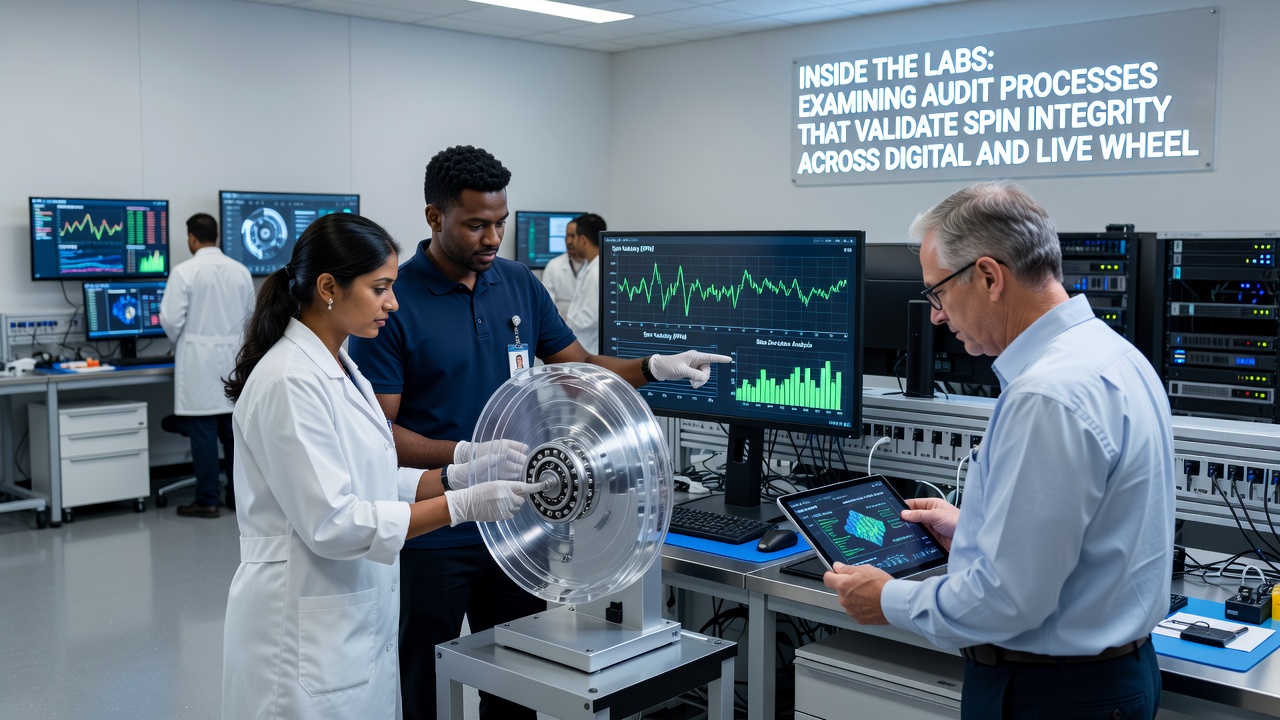
Audit teams apply unified statistical thresholds when evaluating both RNG outputs and live wheel results, which enables direct performance comparisons even though the underlying mechanisms differ fundamentally. Digital platforms demonstrate faster turnaround on certification renewals because software-based testing scales efficiently, whereas physical wheels require scheduled on-site visits that extend timelines yet provide tactile verification unavailable through code analysis alone.
Cross-platform studies conducted by research institutions have examined outcome distributions from certified systems over multi-year periods, and findings indicate that properly audited wheels and RNGs produce equivalent randomness profiles when measured against standard deviation metrics. Regulatory frameworks in multiple jurisdictions now mandate that operators maintain audit trails covering both formats, which allows investigators to trace any integrity concerns back to specific testing cycles or equipment batches.
Documentation and Reporting Procedures
Every audit concludes with detailed reports that catalog test methodologies, raw data summaries, and compliance determinations, and these documents become part of permanent certification records accessible to oversight bodies. Labs archive supporting evidence including calibration certificates, video recordings, and statistical output files so that future reviewers can replicate analyses if questions arise. Standardized reporting templates ensure consistency across different testing facilities while still accommodating jurisdiction-specific requirements that vary by region.
Conclusion
Audit processes continue evolving alongside platform innovations, and facilities maintain core validation techniques that have proven effective at confirming spin integrity regardless of whether outcomes derive from algorithmic generation or mechanical motion. Regular retesting combined with transparent documentation supports sustained confidence in certified systems across digital and live environments.