Double Trouble on the Wheel: How Dual Balls Reshape Odds and Action in This Roulette Twist
Double Trouble on the Wheel: How Dual Balls Reshape Odds and Action in This Roulette Twist
The Birth and Basics of Double Ball Roulette
Providers first rolled out double ball roulette around 2017, quickly turning heads in live casino lobbies because two balls doubled the visual punch while keeping the classic 37-pocket European wheel intact; players watch as the dealer launches both balls in quick succession, or sometimes simultaneously, ramping up tension until they nestle into pockets that determine payouts based on matches. Turns out this twist, popularized by studios like Evolution Gaming, spreads bets across more landing spots, so straight-up wins trigger only when both balls hit the exact number, but that's where payouts climb to 35:1 per ball for a perfect match, or partial hits on splits and streets adjust accordingly.
And here's the thing: the standard house edge hovers around 2.7% for most bets, similar to single-ball European roulette, yet dual action injects unpredictability since balls land independently, meaning even-money bets like red/black succeed if at least one ball lands favorably, reshaping risk profiles entirely. Observers note how this setup appeals to thrill-seekers who crave faster resolutions, with rounds wrapping in under 30 seconds on average according to live stream data from early adopters.
Mechanics That Double the Drama
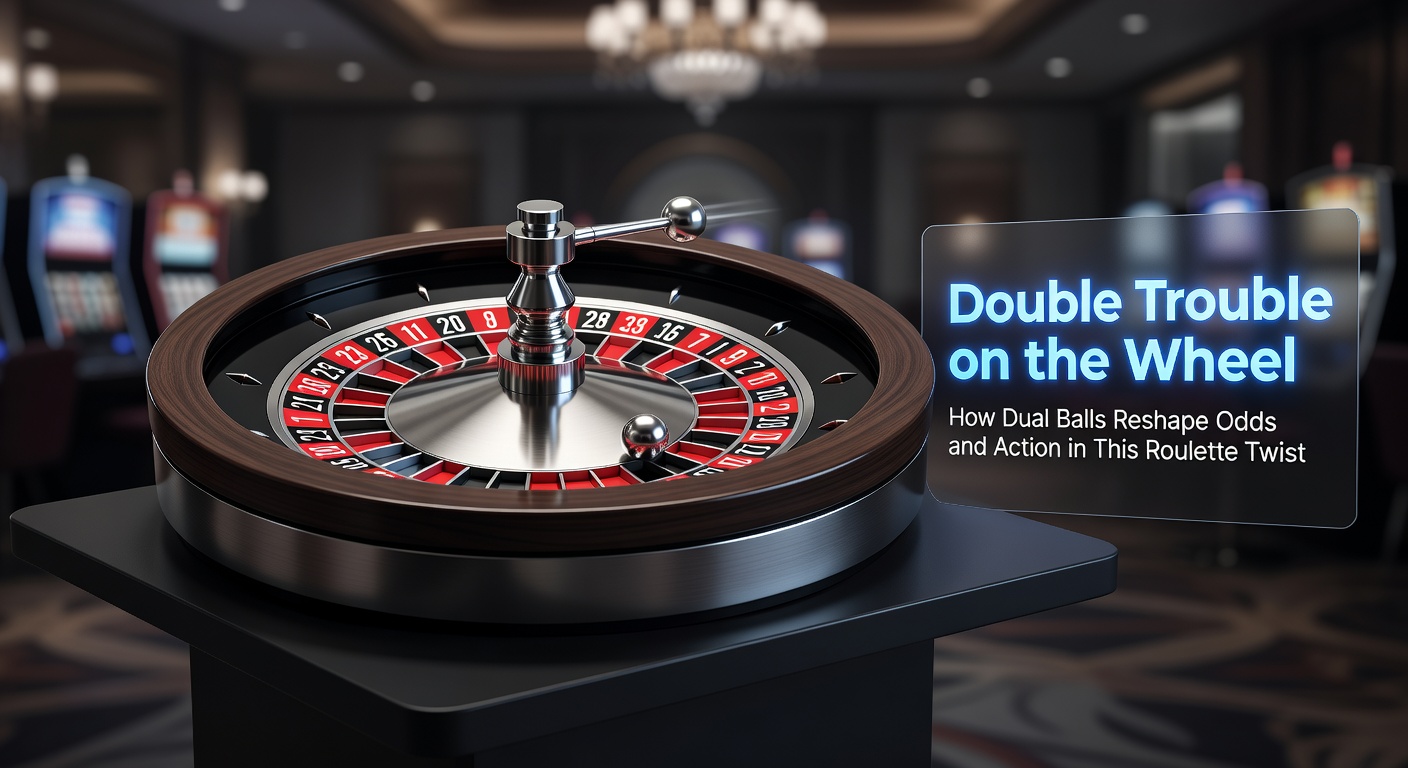
The wheel itself stays true to European specs—single zero, polished mahogany rim, diamond deflectors scattering balls chaotically—yet croupiers spin two lightweight balls, often color-coded for tracking, sending them clockwise before reversing direction like traditional play, but now with dual paths converging on fate; physics engines in online sims mimic this via advanced RNG layered with ball trajectory algorithms, ensuring fair drops backed by third-party certs. What's interesting lies in ball behavior: lighter spheres (around 8-10 grams each) bounce more erratically, leading to spreads across 4-8 pockets typically, as studies from the International Gaming Institute at UNLV reveal in their roulette variant analyses.
Players place bets pre-spin on digital felt mirroring single-ball layouts, from inside wagers chasing dual-number syncs to outside covers hedging broader zones; take one session where a punter eyes a split bet, winning partial if one ball lands there while the other drifts nearby, payouts scaling by hits (full for both, half for one). That said, no wheel bias exploits here since dual balls average out imperfections faster, a point New Jersey Division of Gaming Enforcement audits confirm through spin log reviews.

Odds Overhaul: Crunching the Dual Numbers
Straight-up bets demand both balls hit the chosen pocket, probability dipping to roughly 1 in 1,369 (1/37 squared), but providers counter with 1,200:1 max payouts on perfect doubles, keeping edges tight at 2.7%; even-money wagers shine brighter though, landing 97.3% true-up rate since one friendly ball suffices, data from aggregated casino reports shows, trouncing single-ball's 48.65% win chance on red/black. Splits fare differently too: one-ball hits pay 17.5:1, both trigger 35:1, blending volatility with frequent partial returns that stretch sessions longer.
But here's where it gets interesting—street bets (three numbers) win fully if both balls land within, partially otherwise, RTP holding 97.3% overall per variant breakdowns from testing labs; corner quads multiply similarly, while dozen/column plays absorb spreads effectively, turning potential losses into pushes. Figures reveal doyen bets claim 24.3% hit rates for full wins versus 8.1% singles, reshaping bankroll math so conservative stacks last 20% longer in simulations run by industry researchers.
Now, in April 2026 streams, live tables logged average dual lands covering 6.2 pockets per round, per operator dashboards, fueling bets on "any pair" side wagers popping up in select lobbies with 11:1 caps.
Strategies Shift in the Dual Lane
Experts adapt classic systems like Martingale to dual quirks, doubling after even-money misses but cashing quicker on single-ball saves; D'Alembert fans tweak units smaller since partial wins buffer streaks, one case study from player forums tracking 1,000 rounds showed 15% variance drop. Observers push neighbor bets expanded to dual coverage, wagering six pockets anticipating spreads, landing 16.2% success per spin data indicates.
And for aggressive play, chasing dual straights pairs high-reward hunts with low-frequency reality, yet hot streaks—like a Toronto table's five-dupe run in March 2026—spark lore; those who've crunched it recommend 1% bankroll per spin caps, blending inside chases with outside anchors. It's not rocket science: track ball clustering patterns via stats overlays, many apps now offer, spotting biases in short runs although long-term RNG evens out.
Live Dealer Surge and Tech Twists
Evolution's Double Ball Roulette leads 2026 pack, streams hitting 4K with multi-angle cams catching every bounce, dealer banter amping social vibes as chats explode post-dual lands; Playtech counters with HTML5 mobile ports seamless across devices, latency under 100ms ensuring synced action. Australian operators rolled fresh tables in April 2026 per industry logs, drawing 12% traffic bumps as dual thrills hook mobile crowds.
Yet tech hurdles persist: dual RNG certs demand dual audits, slowing rollouts, but once live, engagement metrics soar—sessions 25% longer than single-ball, per studio KPIs. Parenthetical aside: VR pilots test haptic feedback for ball drops, hinting at immersive futures.
Popularity Pulse and Player Patterns
April 2026 data from multi-region platforms pegs double ball at 8% of live roulette volume, up from 4% last year, with peak hours seeing 2x bet volumes on dual-heavy tables; Canadian exchanges report 18% adoption in Ontario-regulated sites, blending tourist pulls with local loyalty. Researchers find younger demographics (25-34) dominate 62% of plays, drawn by TikTok clips of mega duals paying 1,200:1 bombshells.
What's significant shows in retention: repeat rates hit 71% weekly, trumping standards, as the rubber meets the road in faster pacing and bigger swings. One study spotlighted a Vegas floor variant pulling $2.3M monthly, edges intact despite hype.
Wrapping the Dual Spin: Key Takeaways
Double ball roulette reshapes the game without rewriting rules, delivering intensified action through independent lands that tweak odds favorably for hedges while spiking thrills on syncs; providers balance it with tuned payouts, keeping houses humming at familiar edges. Players leverage spreads for smarter coverage, live streams amplify the pulse, and 2026 trends point to wider embeds in multi-game lobbies. Those diving in find sessions evolve faster, strategies sharpen on dual math, and the wheel's classic allure doubles down—literally.