Certification Labs Revealed: Audit Mechanisms Shielding Spins Across Virtual and Mobile Roulette Platforms
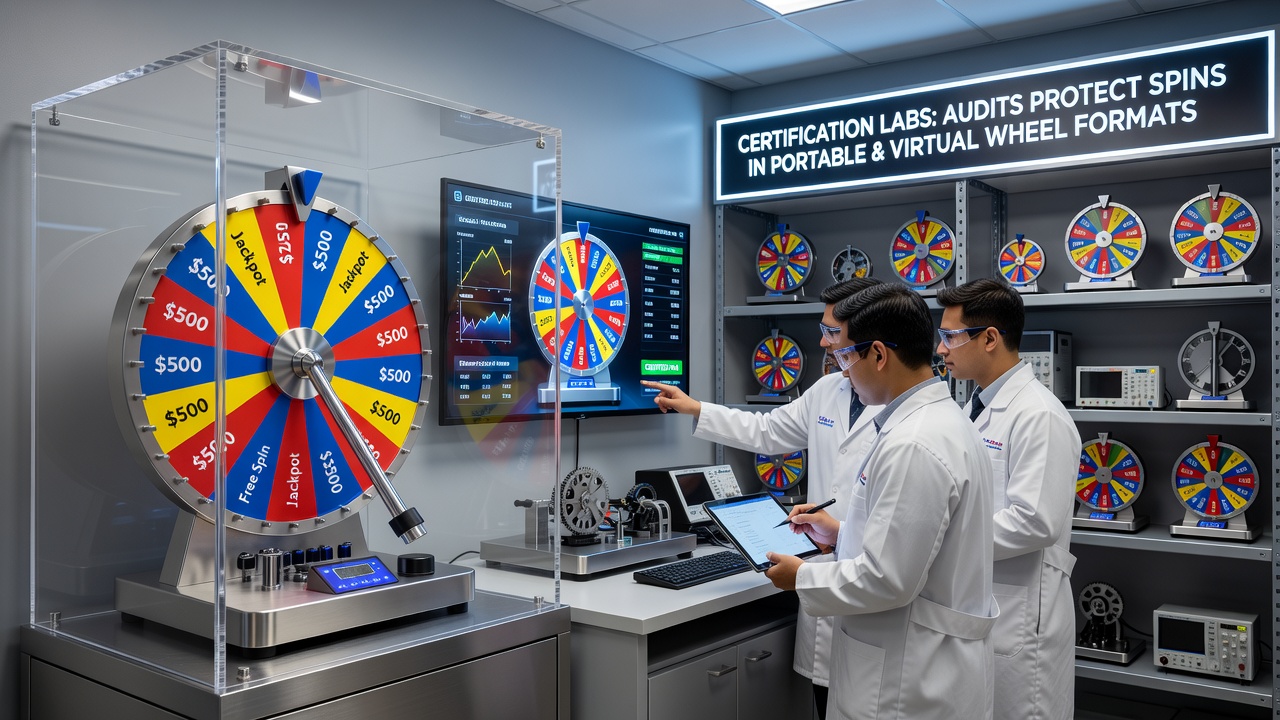 Certification labs operate as independent facilities where technicians examine random number generator systems that drive virtual roulette wheels and their portable counterparts, and these examinations focus on statistical integrity along with compliance to established technical standards. Observers note that such audits verify whether each spin outcome meets randomness criteria before software reaches players through desktop or mobile channels.
Core Testing Protocols in Action
Engineers at these labs subject RNG algorithms to extensive statistical batteries including diehard tests and chi-square analyses while they also review source code for potential predictability flaws, and the process extends to hardware security modules that generate seeds in live environments. Data from multiple testing rounds shows that certified systems maintain uniform distribution across thousands of simulated spins before approval is granted.
Virtual wheel formats receive particular attention because they rely entirely on software emulation of physical physics rather than mechanical components, yet certification teams simulate millions of outcomes to confirm absence of bias patterns that might emerge over extended play sessions. Researchers have documented how seed initialization routines undergo separate validation to prevent any external manipulation during game initialization phases.
Portable Format Challenges and Solutions
Mobile roulette applications introduce additional variables such as device operating system variations and network latency factors, and auditors therefore examine how RNG calls behave across different platforms including iOS and Android environments. Testing includes verification that spin results remain consistent regardless of whether the application runs in foreground mode or resumes after background suspension, and figures from certification reports indicate that cross-device consistency checks now form a standard requirement in evaluation checklists.

Portable implementations often incorporate client-side elements that complement server-based generation, which creates extra audit layers around encryption during data transmission between devices and central servers. Those who've studied mobile certification processes know that labs also assess battery impact and memory usage patterns to ensure security features do not compromise game performance on lower-end hardware models.
June 2026 Protocol Updates
As of June 2026 several certification bodies have introduced enhanced requirements for continuous monitoring after initial approval, and these updates mandate periodic re-testing of RNG modules every six months to account for software patches or platform updates. Industry reports indicate that such ongoing verification helps maintain fairness standards even as developers release new portable variants with improved graphics or faster loading times.
One study revealed that post-certification monitoring has identified minor deviations in fewer than two percent of reviewed cases during the first half of 2026, which demonstrates the effectiveness of these extended audit cycles. Labs now integrate automated logging systems that flag statistical anomalies in real time for immediate investigation by human reviewers.
Geographic Standards and Industry Benchmarks
Certification approaches vary by jurisdiction yet share common statistical thresholds, and organizations such as Gaming Laboratories International publish detailed methodologies that labs worldwide reference during evaluations. Similar frameworks appear in documentation from Canadian provincial regulators and Australian state authorities, which helps create consistent expectations for software providers operating across borders.
Those who've examined audit reports note that portable roulette titles undergo additional scrutiny around user interface elements that might influence perceived randomness, although actual outcome generation remains isolated from display components. This separation prevents any visual feedback mechanisms from affecting the underlying probability structure.
Conclusion
Certification processes continue to evolve alongside technological advances in both virtual wheel emulation and mobile delivery systems, and the structured audits performed by independent labs provide the foundation for verifiable fairness in these formats. Data accumulated through repeated testing cycles supports ongoing refinement of evaluation criteria while maintaining focus on core randomness properties that protect spin integrity across all platforms.